Giving Back in 2025: A Year Rooted in Care, Health, and Community
As we look back on 2025, we are proud of how our philanthropic efforts continued to evolve with purpose and care.


As we look back on 2025, we are proud of how our philanthropic efforts continued to evolve with purpose and care.

The U.S. Court of International Trade (CIT) has issued an important ruling regarding the treatment of entries subject to tariffs imposed under the International…

December demand is expected to be the lowest since mid-2023 as tariff uncertainty keeps imports muted and inventories remain well stocked from earlier front-loading. Carriers are managing capacity with blank sailings across PSW, PNW, and USEC lanes to support January GRIs, while congestion persists in key Asia ports and airfreight rates rise on strong e-commerce volumes.

The Trans-Pacific freight market faces mounting volatility as new GRIs take effect and a proposed 100% U.S. import tariff on Chinese goods looms. Carriers are blanking 14% of capacity while pre-tariff bookings surge, creating port congestion and schedule disruptions. New U.S. port fees on Chinese vessels and China’s retaliatory measures add further complexity heading into Q4.
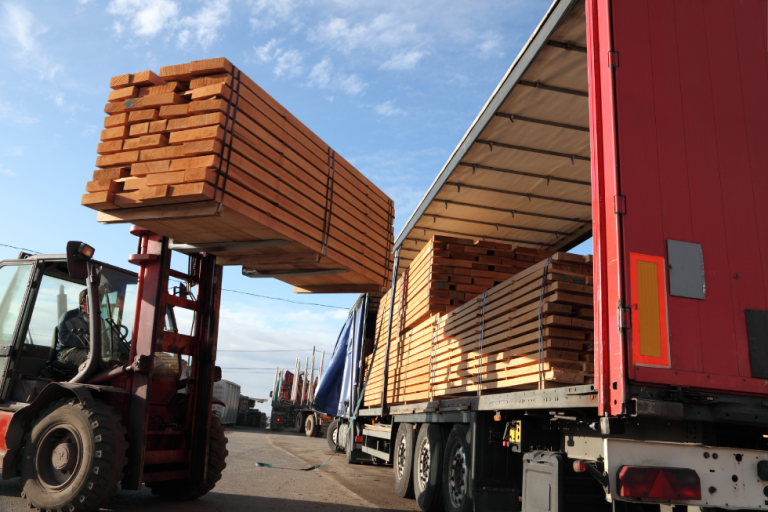
The White House has announced new Section 232 tariffs on timber, lumber, and wood products, citing risks to U.S. mills, supply chains, and infrastructure needs. Tariffs range from 10% on softwood lumber to as high as 50% on cabinetry by 2026. Importantly, the proclamation confirms that duty drawback remains eligible, allowing importers who re-export qualifying products to recover up to 99% of duties paid.
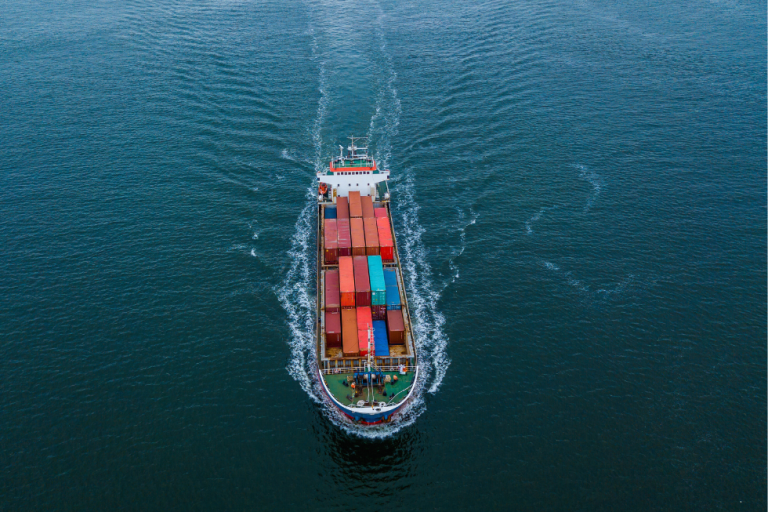
Carriers drove rates higher this month with GRIs up $800–$900/FEU, pushing Asia–USWC spot rates up nearly 21% week-over-week. Demand remains weak, with U.S. bookings down 20%, while Golden Week blank sailings and growing congestion at Shanghai, Ningbo, and Qingdao are tightening space further.
Meanwhile, alliances are slashing October capacity, and the USTR extended Section 301 tariff exclusions through Nov 2025—offering importers some relief amid ongoing volatility.

The U.S. Supreme Court will hear two cases this November challenging the legality of tariffs imposed under the International Emergency Economic Powers Act (IEEPA). The ruling could reshape presidential tariff authority and may impact duties paid under trafficking and reciprocal tariff programs. Importers should continue to monitor developments while maintaining documentation for potential duty drawback opportunities.
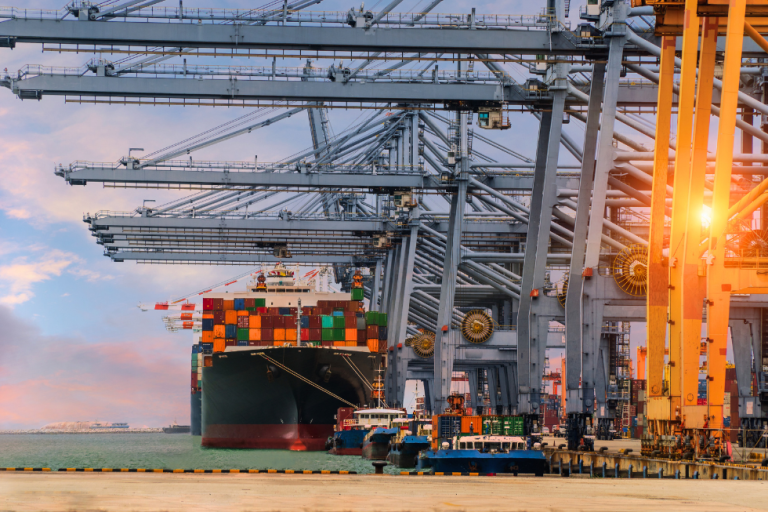
A new era has dawned for US businesses as the nation’s tariffs on imported foreign goods now stand near the 20% mark, their…
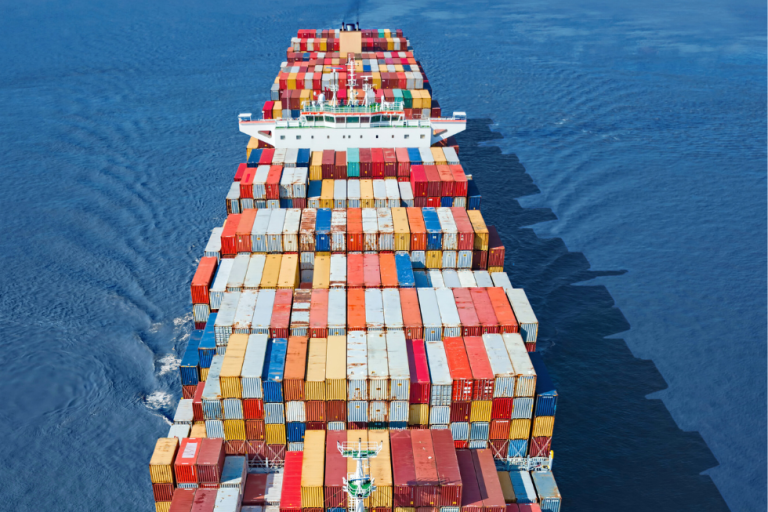
The Transpacific shipping market remains soft, with spot rates down 3.3% and no peak season in sight. New U.S. tariffs, tropical storm delays in China, and slowing bookings are shaping the months ahead. Capacity utilization has dropped to its lowest since April, while a brief September surge is possible before China’s Golden Week shutdowns.
President Trump has imposed a new 25% IEEPA Russian Oil tariff on all goods from India effective August 27, 2025, with duty drawback still available for eligible re-exports and destroyed goods.