Section 301 Tariffs: 5 Things Importers Should Review
Section 301 tariffs continue to create cost and compliance challenges for U.S. importers. Review five key areas, from tariff exposure and exclusions to HTS classification and duty drawback.

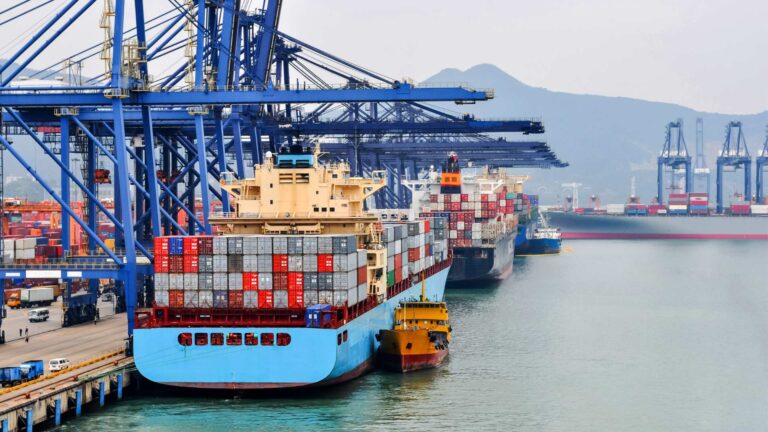
Section 301 tariffs continue to create cost and compliance challenges for U.S. importers. Review five key areas, from tariff exposure and exclusions to HTS classification and duty drawback.

J.M. Rodgers CEO Jamie Rodgers shares his take on the CAPE Phase 3 rollout, newly opened FY27 tariff-rate quotas, and Canadian import bans, including what these developments mean for U.S. importers.
Jamie Rodgers shares his take on Canadian import bans, expanded secondary tariff authority, and CBP’s proposed supply chain disclosure rules.
J.M. Rodgers CEO Jamie Rodgers shares his take on new Section 338 import bans, changes to the 50% Canada tariff list, and CBP’s new copper reporting requirements.
J.M. Rodgers CEO Jamie Rodgers shares his take on new Section 338 import bans, changes to the 50% Canada tariff list, and CBP’s new copper reporting requirements.
J.M. Rodgers CEO Jamie Rodgers shares his take on the PAIL Act, new Section 232 drone tariffs, Canada’s retaliatory tariffs, and why importers should be paying closer attention to trade enforcement.
J.M. Rodgers CEO Jamie Rodgers shares his take on Canada’s retaliatory tariffs, Section 338 drawback eligibility, CBP’s latest PSC updates, and what businesses should be watching next.
Tariff changes can quickly affect landed costs, sourcing decisions, inventory, and margins. Learn how tariff scenario planning helps importers model potential policy shocks, identify vulnerabilities, and prepare practical response strategies before changes take effect.
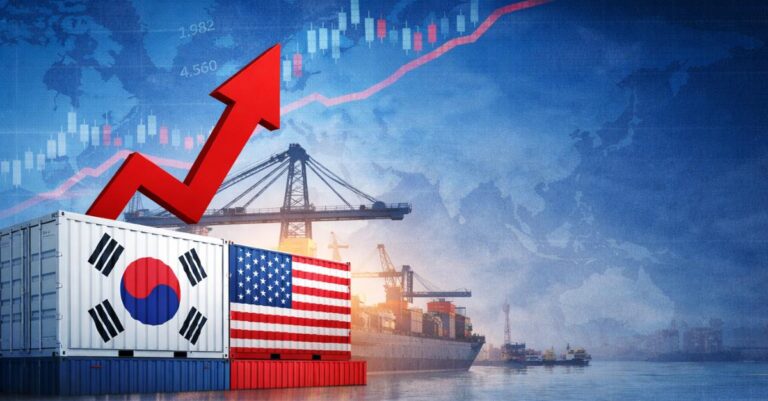
Trade relationships can shift quickly, and recent updates around potential tariff increases on imports from South Korea are a good reminder of that reality.
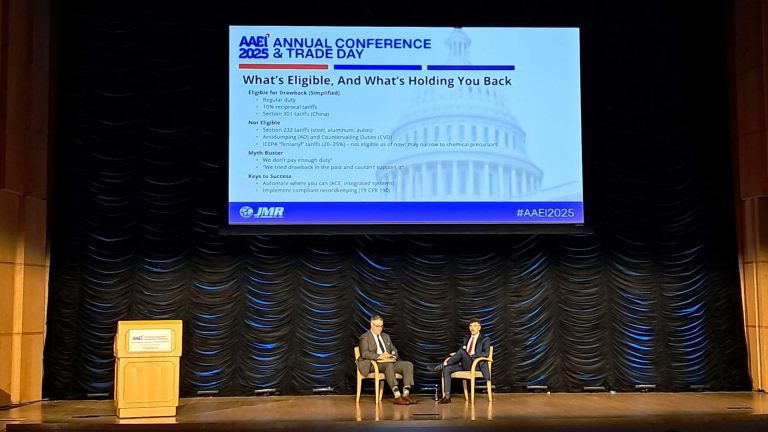
At this year’s AAEI conference, J.M. Rodgers’ Andrew Galloway and Sean Dunne hosted a rapid-fire panel discussion focused on duty drawback in today’s…

Tariffs continue to play a significant role in shaping global trade and influencing the cost structures of U.S. importers and exporters. From Section 201 safeguard measures to Section 232 national security tariffs and the broad reach of Section 301 actions, understanding how these programs work and where duty drawback may apply is essential. This article provides a clear overview of the major U.S. tariff mechanisms, their scope, and their potential implications for businesses engaged in international trade. (Updated: February 3, 2026)

Many industries are staring at a large increase in their product costs this week, as the first wave of temporary exclusions is set to expire on Friday, with an additional group of them set to expire in later September. Thus far there has been no indication that the government will be extending any exclusions- and importers will be stuck on the hook for these increases.
ISO 14001 is a complement to the ISO 9001 Quality Management System, called an Environment Management System. This system is essentially a set of tools to allow JM Rodgers to plan out how we can comprehensively manage the environmental impacts of doing business- from the resources we use at work, the way waste is disposed of, and extraneous impacts of maintaining a staff and facilities. The EMS gives us a way to organize, track, and reduce our impacts to become a greener company.
JM Rodgers brings that to our customers with the longevity of the staff members we keep.
Under the USMCA, much of the pre-existing structure of drawback has been preserved. The necessity to follow rules necessitating all exports to Canada and Mexico be claimed using direct-identification methods remain in place.
When searching for a new partner in Customs brokerage, logistics, or duty drawback, the primary factor for any decision has to be the quality of the people that the customer will be working with every day. The expertise, experience, and resiliency of any firm that will be a trusted partner are paramount.
JM Rodgers brings that to our customers with the longevity of the staff members we keep.
Under the USMCA, much of the pre-existing structure of drawback has been preserved. The necessity to follow rules necessitating all exports to Canada and Mexico be claimed using direct-identification methods remain in place.
The United-States Mexico Trade Agreement is fully in effect as of last week, and a host of changes to Customs processes in all three countries are in place. One area of particular concern to many of our clients has been how drawback is affected or changed by this agreement.
Under the USMCA, much of the pre-existing structure of drawback has been preserved. The necessity to follow rules necessitating all exports to Canada and Mexico be claimed using direct-identification methods remain in place.
This week will be a historic one in the history of international trade as the United States-Mexico-Canada Agreement (USMCA) goes into full effect on Wednesday, July 1st. This agreement takes over for NAFTA and will be the law defining North American trade for the long foreseeable future. Importers and exporters have had some time to get ready for the new regulations, and must make sure they comply with new statutes such as the changes to rules for shipments to qualify for USMCA treatment.
We here at JM Rodgers have always taken security and disaster recovery extremely seriously. For many years, we have had a comprehensive disaster recovery plan in place to ensure that we will stay in operation when our clients need us most, and we have used it to great effect to persevere through small disruptions to major disaster events. Our Disaster Recovery Plan covers an epidemic infectious disease control.
The rules and regulations that govern duty drawback under TFTEA are continuing to evolve years after its passage. Just a few days ago, a pivotal lawsuit about specific provisions in TFTEA’s drawback rule, National Association of Manufacturers (NAM) vs. The United States resulted in a decision that enshrined the practice of “double drawback,” a specific kind of refund that could be pursued for wine imports and exports, against the proposed regulations Customs had offered.
President Trump and Chinese Vice Premier Liu He have signed the “Phase 1” trade deal today. Recently the President announced the three-phase trade deal with China on October 11, 2019, and Phase 1 was supposed to be written over three weeks.
J.M. Rodgers hit their goal for 2019 of 200 days of charity. We set lofty goals every year for our employees to contribute “days of giving” where they volunteer their time by going to arranged charity events for a variety of causes. For 2020, we have increased our GOAL to 300! increasing to 350 in 2021.
Last week, it briefly looked to the world as if the ongoing trade war between the USA and China was coming to an end. On Friday, Chinese Commerce Ministry spokesman Gao Feng said at a press conference that there was a tentative agreement in place for a trade deal between the two feuding countries and that as part of that deal there would be a wide rollback on the mutual tariffs that had been imposed by both countries.
There are a few different ways that imports and exports can be matched for a duty drawback refund, depending on the specifics of each individual company’s supply chain. Today I want to introduce direct Identification drawback- a method where a claimant must trace products all the way from import through exports and cannot simply substitute similar products on a part number or HTS code.
There are a few different ways that imports and exports can be matched for a duty drawback refund, depending on the specifics of each individual company’s supply chain. Today I want to introduce direct Identification drawback- a method where a claimant must trace products all the way from import through exports and cannot simply substitute similar products on a part number or HTS code.
Written by Jamie Rodgers, CEO of J.M. Rodgers Co., Inc. In only a few weeks, new tariffs will go into place under what…