Glossary Terms

  • Pier Pass Fee

    The Pier Pass fee is a type of traffic mitigation fee (TMF) administered at the Port of Los Angeles/Long Beach to containers that are unloaded during the port’s peak hours. It is part of the port’s OffPeak program, launched in 2005, which schedules regular night or weekend shifts for the pickup of laden containers  The…
  • Port Filings 

    A port filing is a message sent to the port of discharge, communicating which vessel the specific container is traveling on and the vessel’s intended destination. Port filings also include the shipment’s export declaration documents and other relevant entry documents relating to the shipment.  Port filings are a key part of the shipping process and…

  • Post Summary Correction

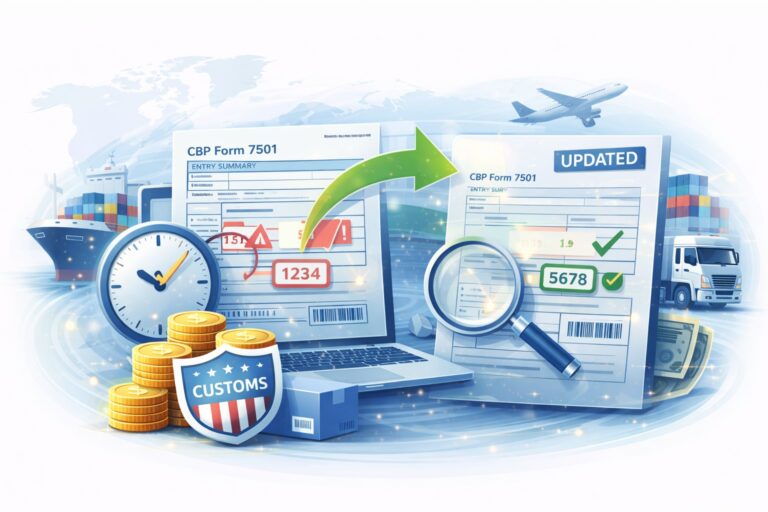
    A Post Summary Correction (PSC) is an electronic filing submitted to U.S. Customs and Border Protection (CBP) to correct errors or update information on an entry summary (CBP Form 7501) after the entry has been filed but before it has liquidated. PSCs allow importers of record to proactively amend inaccuracies related to classification, valuation, origin,…

  • Reconciliation

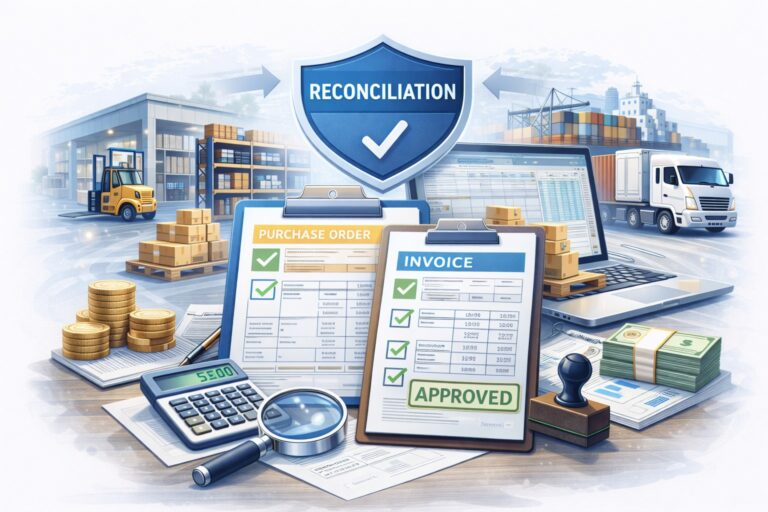
    Reconciliation is the systematic process of comparing two or more sets of records to verify accuracy, identify discrepancies, and ensure that transactions are properly recorded. In supply chain, logistics, and accounting contexts, reconciliation serves as a control mechanism to detect errors, prevent financial leakage, and support regulatory compliance. Within logistics operations, shipment reconciliation involves comparing…

  • Rejected Merchandise Drawback 

    Rejected Merchandise Drawback is a type of duty drawback for imported materials that are either shipped without the consignee’s consent or that do not meet the agreed specifications at the time of import.  What Is the Purpose of Rejected Merchandise Drawback?  The Rejected Merchandise Drawback allows the importer to recoup up to 99% of the…

  • Rules of Origin

    Rules of origin are a collection of legal standards that define how to determine the country of origin relating to a specific shipment or piece of cargo. The country of origin can affect the duties applied to imports, eligibility for special programs, shipment admissibility, quota counts, and more.  In some cases, correctly determining country of…

  • Section 201 Tariffs

    Section 201 Tariffs are trade safeguard measures imposed under Section 201 of the Trade Act of 1974. These measures are designed to provide temporary relief to domestic industries that are seriously injured, or threatened with serious injury, by a surge in fairly traded imports. Unlike antidumping or countervailing duties, Section 201 actions do not require…

  • Section 232 Tariffs

    Section 232 Tariffs are trade measures imposed under Section 232 of the Trade Expansion Act of 1962. This statute authorizes the President of the United States to adjust imports, including through the imposition of tariffs or quotas, if the U.S. Department of Commerce determines that specific imports threaten to impair national security. Under a Section…

  • Section 301 Tariffs

    Section 301 Tariffs are trade remedies imposed by the United States under Section 301 of the Trade Act of 1974. This statute authorizes the Office of the United States Trade Representative (USTR) to investigate and respond to foreign government practices that are considered unfair, discriminatory, or that burden or restrict U.S. commerce. If USTR determines…

  • Shipper’s Letter of Instruction

    A Shippers Letter of Instruction (SLI) is a required document for exporting from the USA, granting a freight forwarder or carrier permission to act as a forwarding agent and providing instructions on how and where to handle the export shipment.   An SLI also grants the forwarding agent permission to send the shipment’s Electronic Export…

  • Shipping Order (SO) 

    A Shipping Order (SO) is a document issued by carriers to shippers confirming that both equipment and space for a shipment on a chosen ship is available and has been booked.  An SO acts as a receipt of booking cargo space with a carrier and it can be used in insurance claims as evidence of…

  • Substitution Drawback 

    Substitution Drawback, also called Manufacturing Substitution, is the rebate of up to 99% of the duties, taxes, and tariffs paid on imported materials used for manufacturing an export product, even when the imported materials are substituted for domestically made materials of the same kind and quality.  What Is the Purpose of Substitution Drawback?  Substitution Drawback…

  • Tariff Engineering

    Tariff engineering refers to the practice that some manufacturers use to classify merchandise under a more favorable customs classification and pay the lowest possible duty rate.  For manufacturers and shippers, customs duties and tariffs can add up to a significant amount depending on where shipments are imported from. Because the distinction between merchandise classifications can…

  • Transloading

    Transloading is the process of transferring a shipment from one mode of transport to another. For example, think of a shipping container being removed from a vessel and then transferred, or transloaded, into the back of a truck.  There are a couple of reasons why shipments will need to be transloaded, such as: Because long-haul…

  • Twenty-Foot Equivalent Unit

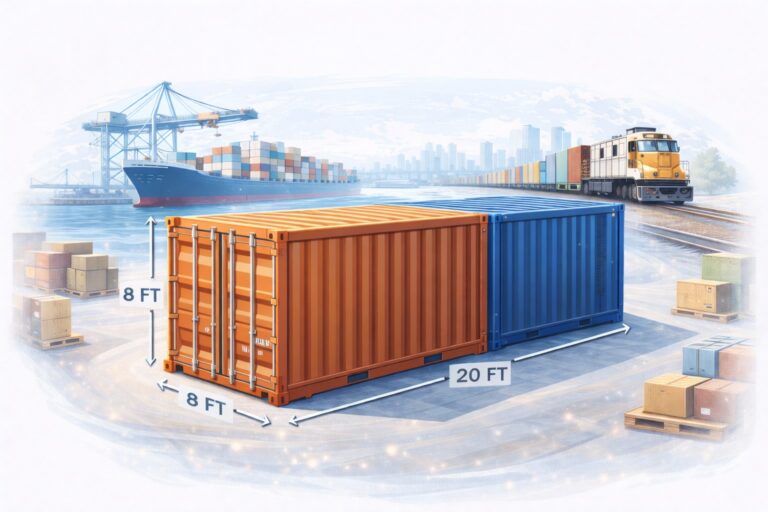
    The Twenty-Foot Equivalent Unit (TEU) is a standard measurement used worldwide in supply chains. One TEU corresponds to the space (in cubic meters) occupied by one twenty-foot shipping container. For reference, the internal dimensions of one TEU container are 20 feet long, almost 8 feet high, and 8 feet wide. The TEU measurement is primarily…

  • Unused Merchandise Drawback

    Unused Merchandise Drawback is a type of duty drawback that allows importers to recover up to 99 percent of certain duties, taxes, and fees paid on imported merchandise that is subsequently exported or destroyed without being used in the United States. Under 19 U.S.C. § 1313(j), unused merchandise drawback applies when the imported goods remain…