Freight Market Update – April 2026
April 2026 freight market update highlighting rising ocean rates, tightening capacity, fuel surcharge volatility, port congestion, and shifting air cargo conditions across Asia to U.S. trade lanes.

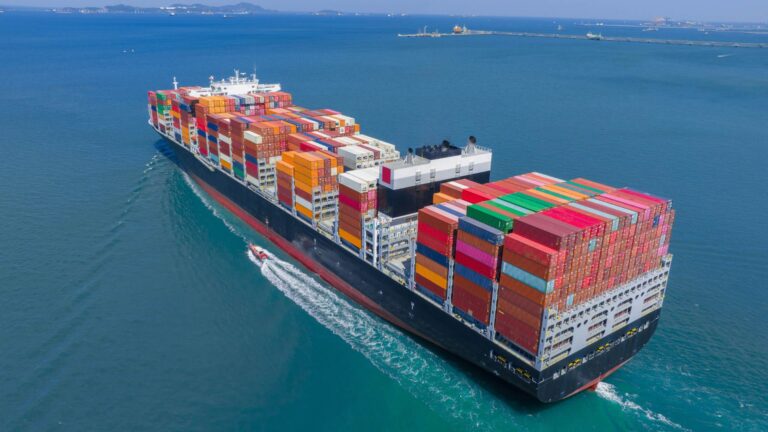
April 2026 freight market update highlighting rising ocean rates, tightening capacity, fuel surcharge volatility, port congestion, and shifting air cargo conditions across Asia to U.S. trade lanes.

When goods arrive at an American port of entry, US Customs and Border Protection (CBP) requires a lot of information. For import compliance managers and logistics directors, perhaps the most important bit is a two-digit code: the customs entry type.
Whether you’re a seasoned compliance expert or exploring the drawbacks for the first time, discover these trends and statistics to gain actionable insights you can take advantage of today.

The United States has launched sweeping Section 301 investigations into manufacturing overcapacity across 16 major economies. The findings could lead to new tariffs and increased compliance risks for importers.

Celebrating a Legacy of Customs, Compliance, and Duty Drawback. For 75 years, J.M. Rodgers Co. has helped importers and exporters navigate complex customs regulations, recover duties through the U.S. duty drawback program, and manage international logistics.
Every dollar counts in global trade. This is especially true with the tight margins, ever-shifting tariffs, and supply chain disruptions American businesses face today.
There was a lot packed into this week. CBP rolled out guidance on the temporary 10 percent Section 122 surcharge, and at the same time officially stopped collecting certain IEEPA duties after the Supreme Court decision. On paper, one duty ends and another begins. In practice, it is not that simple.
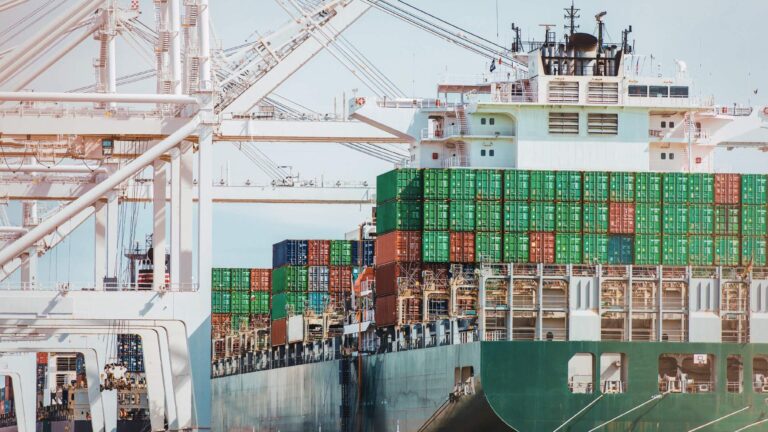
What you need to know about classification, valuation, origin rules, and duty-recovery strategies so you protect compliance, recover cash, and optimize your global supply chain.
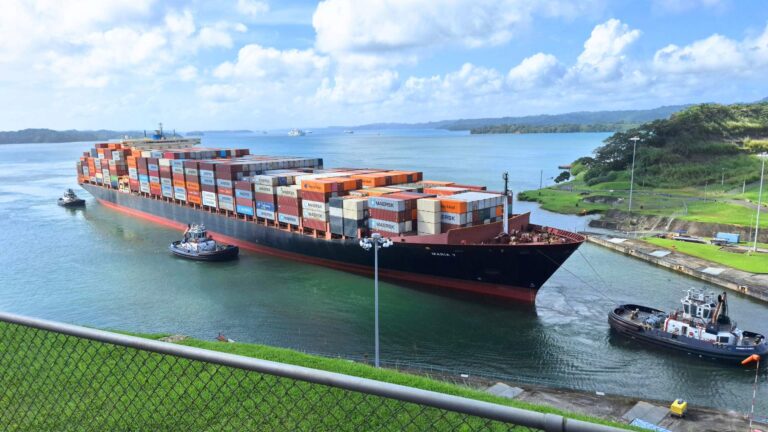
Few things in business are as unpredictable as international trade. Whether you’re a CFO, an import/export compliance manager, or a logistics director, you strive for certainty. However, complex customs regulations, supply chain disruptions, and tariff uncertainty can all cause dramatic shifts in strategy.

CBP has released CSMS #67844987 implementing the February 20, 2026, Presidential Proclamation that imposes a temporary 10 percent ad valorem duty on most imported goods under Section 122 of the Trade Act of 1974.
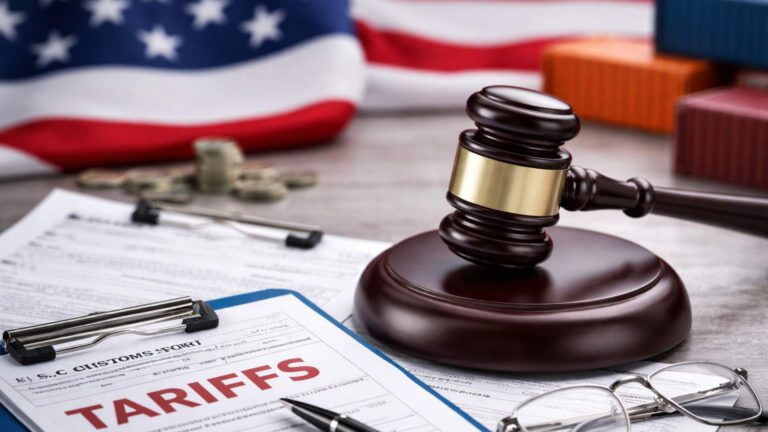
U.S. Customs and Border Protection has issued two CSMS messages addressing the Supreme Court’s decision on IEEPA tariffs and the formal termination of IEEPA duty collection.

At times, the U.S. Customs and Border Protection (CBP) might want to take a closer look at a business’s records to make sure it’s following all regulations. When CBP initiates an audit, it largely wants to make sure your business is keeping accurate records, complying with regulations, and, perhaps most importantly, paying the right amount of money on your imports.
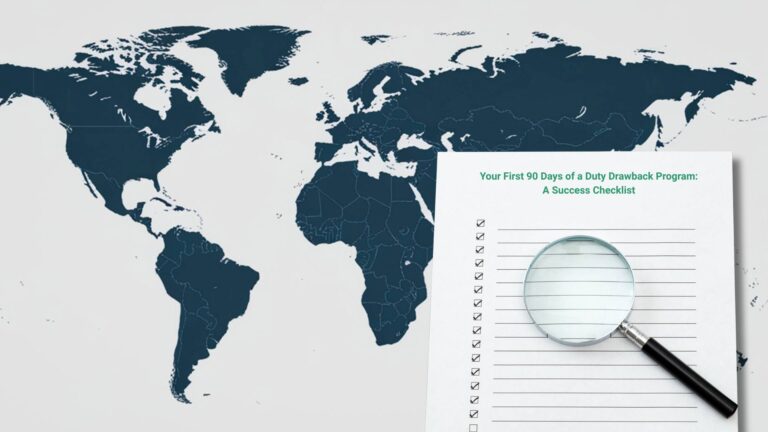
A Step-by-Step Guide to Accurate Duty Drawback Filing for Trade Compliance Teams.

The White House announced this afternoon that President Trump will implement a 10% global tariff under Section 122 of the Trade Act of 1974. The announcement follows this morning’s U.S. Supreme Court decision holding that the International Emergency Economic Powers Act, or IEEPA, does not authorize the President to impose tariffs.
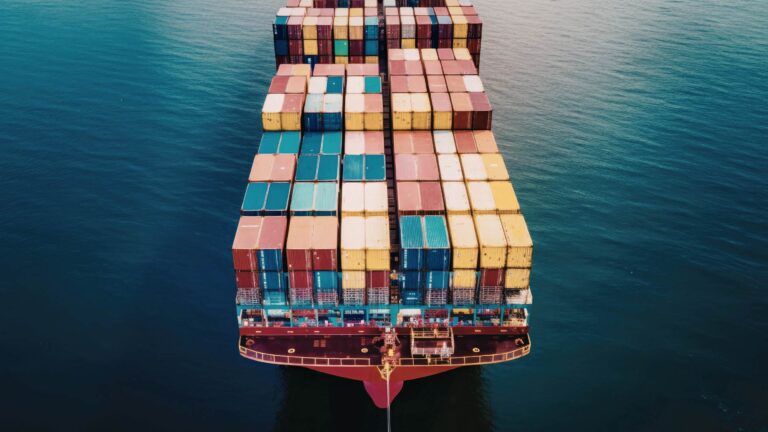
Spot rates on the Transpacific remain near or below carrier break-even levels, prompting aggressive blank sailings to stabilize pricing. February saw more than 100 cancelled voyages across Asia to U.S. lanes, marking one of the most significant post-Lunar New Year capacity adjustments in recent years.

Global trade regulations are getting more restrictive, and customs authorities are tightening up. In 2026, your company can’t afford to let compliance become an afterthought.

If your business is involved in international trade, duty drawback can be a game-changer. Duty drawback is a government program that refunds certain duties, taxes, and fees paid on imported goods that are subsequently exported or destroyed. Your business can recover significant amounts that go right back to the bottom line. Before you can do that, though, you have to decide whether to manage duty drawback internally or outsource it to seasoned specialists.
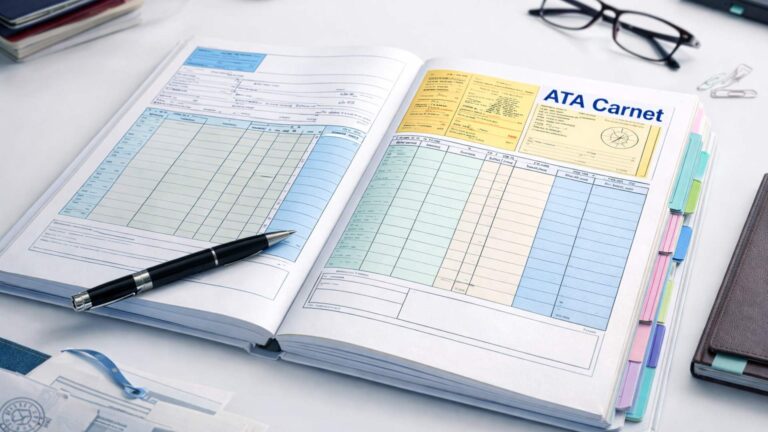
Paying import duties and taxes can add unnecessary burdens on you or your company. Importing items can also hold up your merchandise in port. However, if you’re a company that sends certain goods internationally, you could reduce the costs of import duties if the item will be in a foreign country for less than a year.

U.S. import regulations are notoriously complex, particularly when they involve chemical substances. If your business imports chemicals (or products that contain them), one of the most daunting regulations is the Toxic Substances Control Act (TSCA). Noncompliance with TSCA can lead to significant financial penalties, costly shipment delays — and irreparable damage to your company’s reputation.

Navigating customs and logistics is complex and costly, but a partner with the right expertise changes everything. An experienced partner lowers risks, maximizes refunds, and keeps your cargo moving seamlessly. Don’t leave compliance or cash flow to chance.
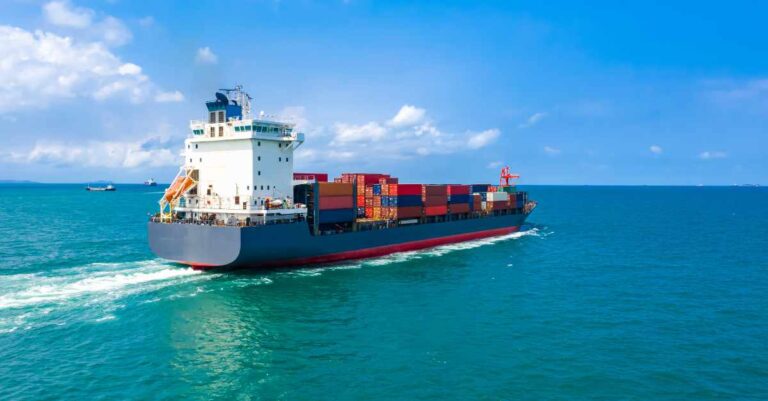
The global freight market began 2026 with a brief surge in ocean freight rates following a General Rate Increase (GRI). Rates climbed more than 20 percent in a single week, but the increase quickly unraveled as carriers faced resistance from the market and struggled to secure bookings at higher levels.

HST classification guidelines are becoming increasingly important. With stricter customer enforcement, frequent trade and regulatory updates, evolving global trade policies, and the rise of AI-powered auditing systems, accurate classification is essential.

At J.M. Rodgers, we aim to weave sustainability into everyday decisions across our business.
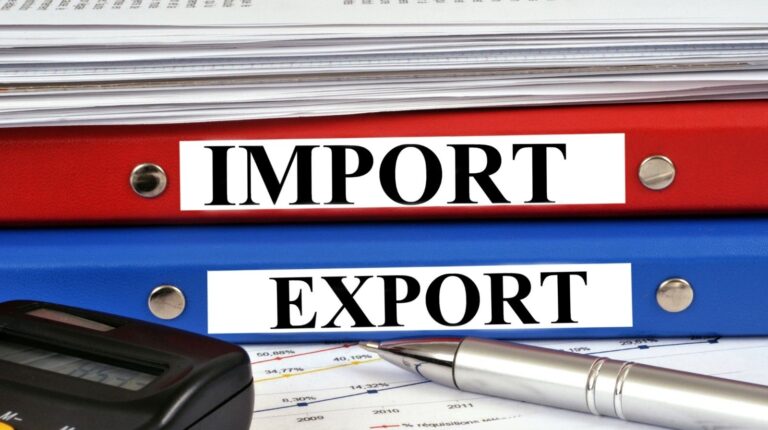
If global trade were a jigsaw puzzle with pieces including contract negotiating, navigating customs, and shipping logistics, Incoterms 2020 would be the instructions on the puzzle box.