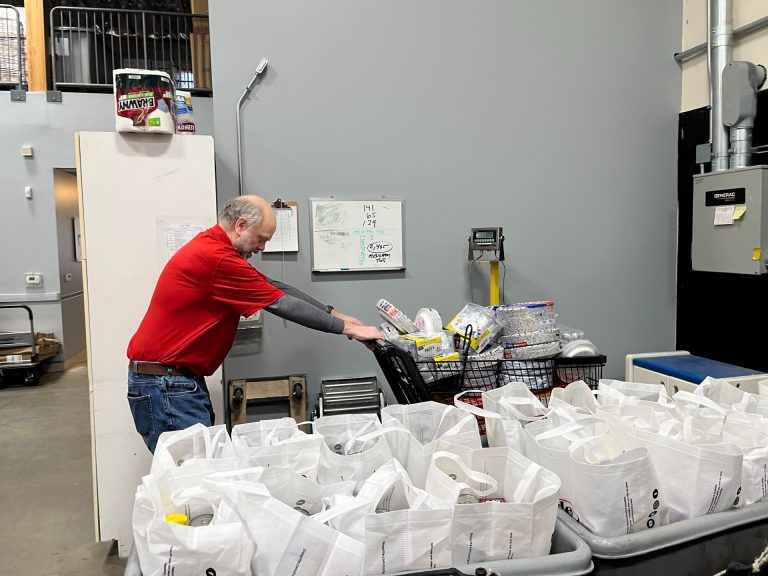
Giving Back in 2025: A Year Rooted in Care, Health, and Community
As we look back on 2025, we are proud of how our philanthropic efforts continued to evolve with purpose and care.


As we look back on 2025, we are proud of how our philanthropic efforts continued to evolve with purpose and care.

If you ship goods internationally, chances are you’ve heard the terms customs broker and freight forwarder.
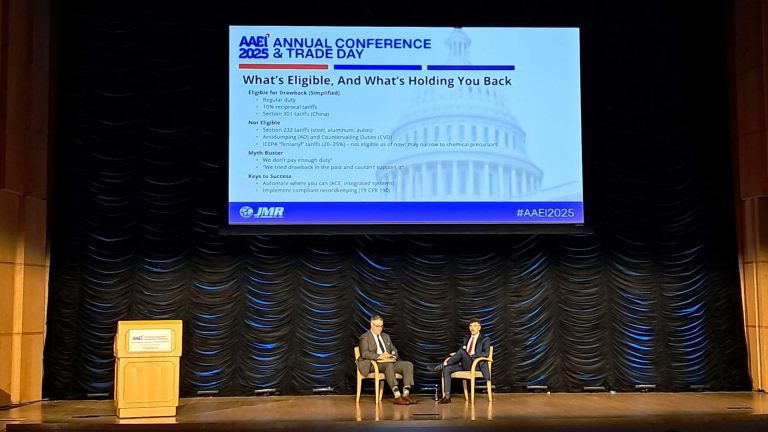
At this year’s AAEI conference, J.M. Rodgers’ Andrew Galloway and Sean Dunne hosted a rapid-fire panel discussion focused on duty drawback in today’s…


Overview: Duty Drawback vs. Foreign-Trade Zones (FTZs) In today’s global trade environment, companies are increasingly focused on recovering costs and optimizing customs duties….

Manufacturing drawback and unused merchandise drawback are the two most common duty drawback programs. Learn how they differ and which may apply to your business.

If you’ve paid duties on goods imported into the United States that were later exported, you’ll want to get as much of that…
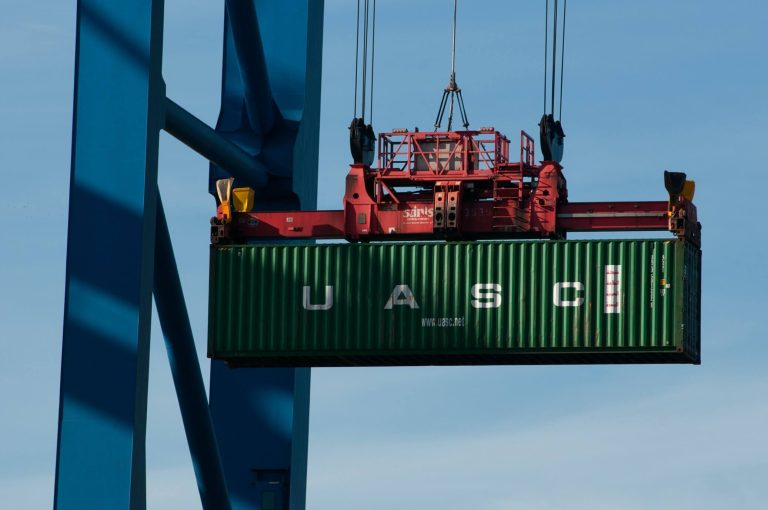
Duty drawback allows importers and manufacturers to recover up to 99 percent of eligible duties paid on imported merchandise that is later exported or destroyed. This guide explains what duty drawback is, how it works, and how businesses can maximize refunds while maintaining compliance with U.S. Customs and Border Protection requirements.
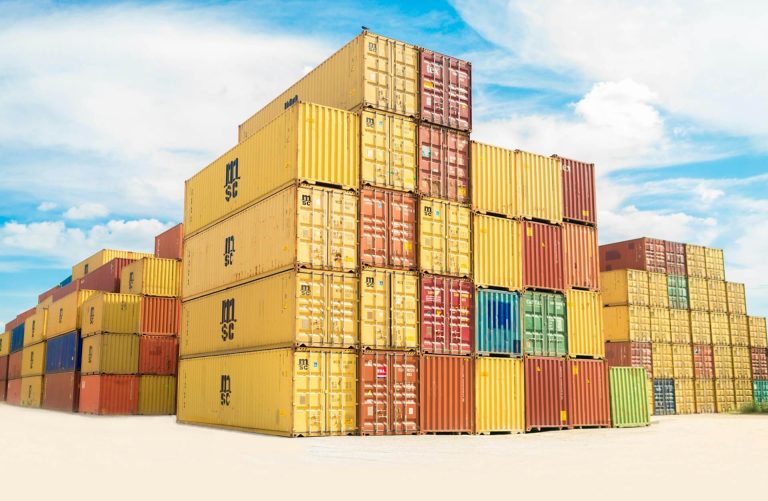
For U.S. businesses engaging in international logistics, understanding duty drawback — or partnering with someone who does — is a pivotal process.
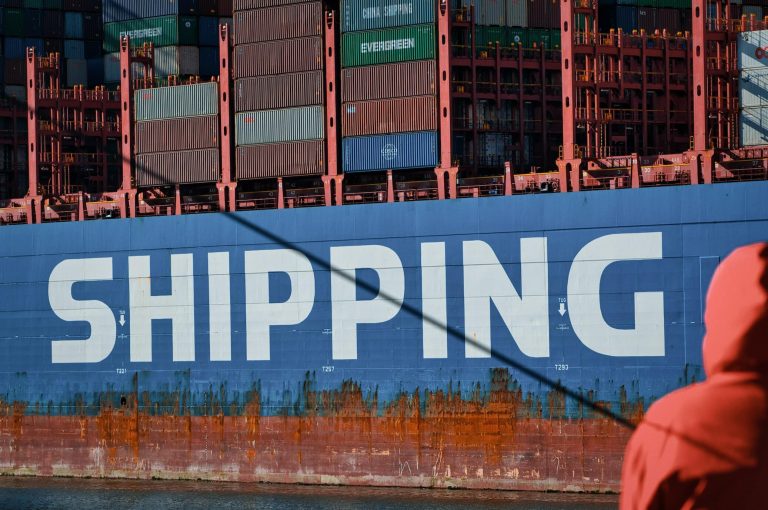
As an industry leader with a philosophy dedicated to continuous process improvement, J.M. Rodgers excels at challenges in international shipping, regulatory compliance, customs brokerage and duty drawback.

Duty drawback programs allow companies to recover some of their expenses for products not meant to be consumed in the U.S. Since these import-related costs can add up, managing supply chain data and processes is essential.

Duty drawback audits verify that claims comply with U.S. Customs regulations and are supported by accurate documentation. Learn how CBP drawback audits work and how companies can prepare to minimize compliance risks.

Every bit of cost savings you can manage is important in today’s business environment. That’s why companies participate in duty drawback programs

To maximize duty drawbacks, you need a well-planned strategy. Here are some tips to help your business get started.

Tariffs continue to play a significant role in shaping global trade and influencing the cost structures of U.S. importers and exporters. From Section 201 safeguard measures to Section 232 national security tariffs and the broad reach of Section 301 actions, understanding how these programs work and where duty drawback may apply is essential. This article provides a clear overview of the major U.S. tariff mechanisms, their scope, and their potential implications for businesses engaged in international trade. (Updated: February 3, 2026)

Asking the right questions before choosing a freight forwarding company helps ensure the optimal handling of your goods — both in terms of…
As we move forward in 2024, we at J.M. Rodgers Co. look back on 2023 with a sense of pride and accomplishment for…
Reflecting on Our 2023 Philanthropic Efforts: A Year of Community and Compassion As we bid farewell to 2023, it’s a time for…
As we look back on 2022, we are proud to reflect on a year full of remarkable eco-friendly initiatives and achievements at J.M….
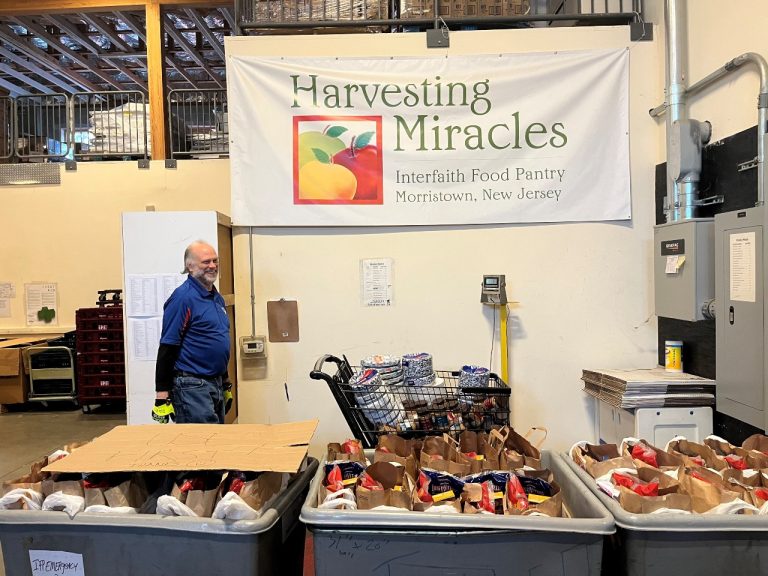
As we close the chapter on another successful year in 2022, we are thrilled to look back and celebrate the many ways our…
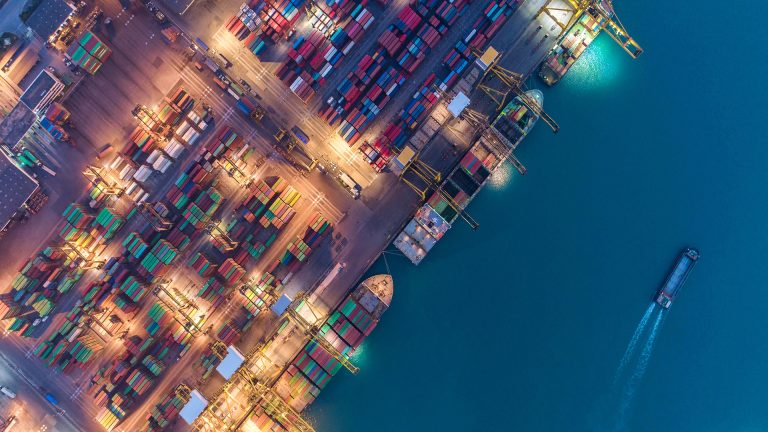
On December 19, 2022, the final rules under 19 CFR part III came into effect. The two rules are titled Modernization of the…

US cold storage demand rises, warehouse hiring declines, 80% declines in profits projected for carriers by 2024, and delays from typhoon Hinnamor across east Asia
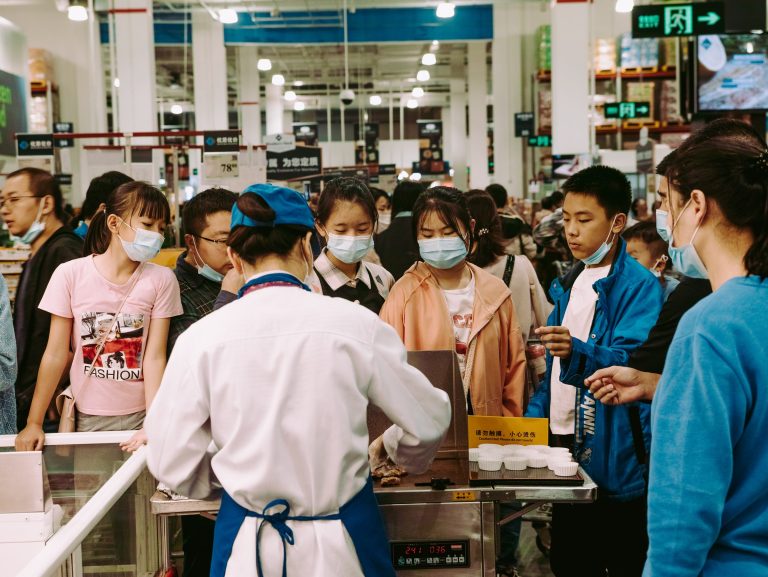
Chinese residents continue to battle the Omicron and Delta variants of the coronavirus while the country clings to its Zero-COVID protocols. As cases…